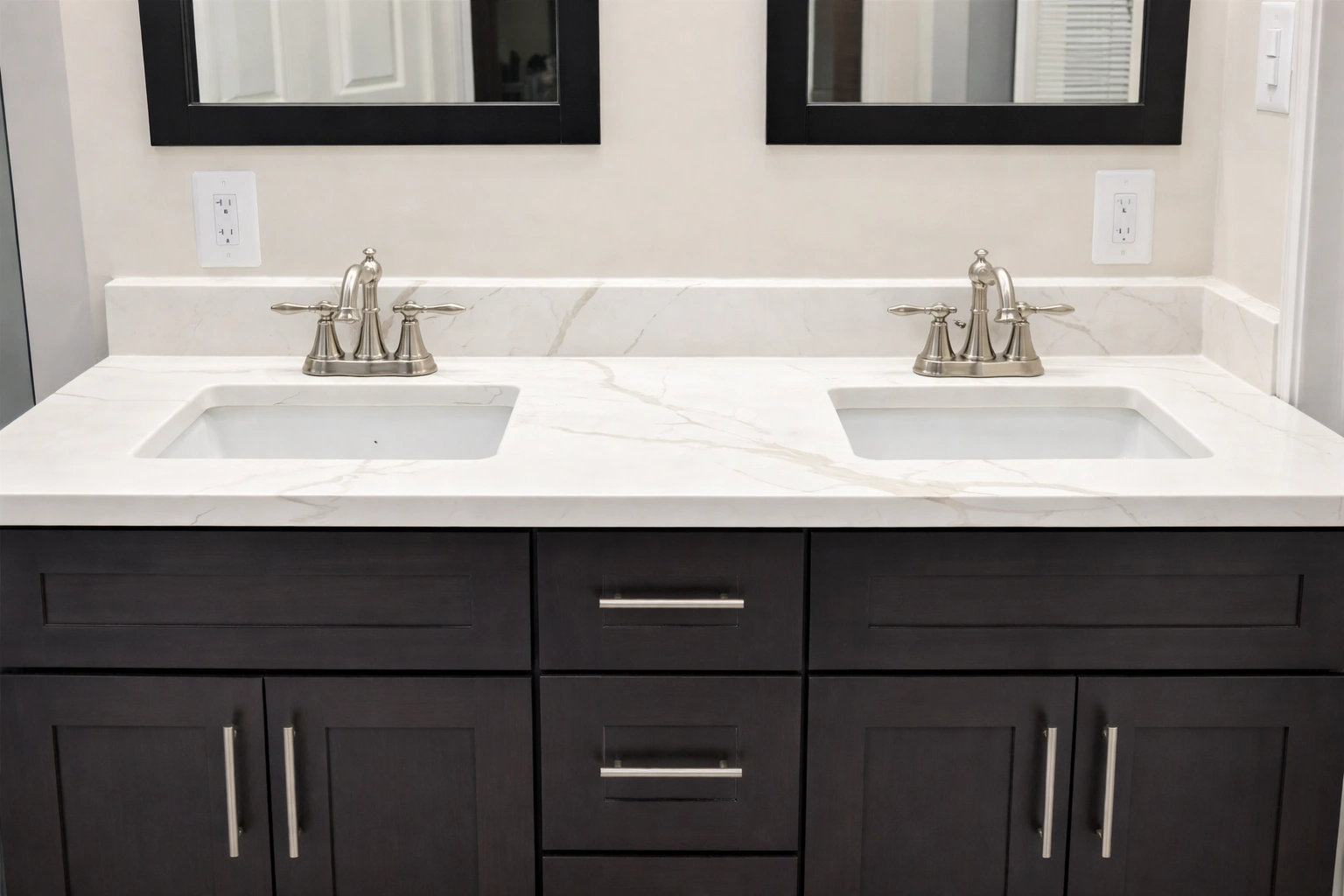
Do you find yourself asking, “Do I need a plumber to install a new vanity?” The short answer depends on a few key factors. In many cases, a new vanity can be installed by a skilled DIYer, especially in an older home where you might be updating one fixture at a time. However, the plumbing can get tricky if you need pipe adjustments, especially if your Baltimore-area property has older plumbing lines that might not conform to modern fixtures. Whether this is a standalone upgrade or part of a larger bathroom remodeling project, below you’ll discover the practical steps to assess whether you can tackle the job yourself or if hiring a professional plumber is the safer route.
Recognize your project scope
A quick way to gauge your scope is to look beyond the vanity itself. If you plan to replace just the cabinet and sink, and all supply lines and drain hookups line up reasonably well, you may not need to undertake major plumbing work. In that scenario, you can often disconnect the water valves and remove the old vanity with little more than a wrench, a tube of caulk, and a few hours of your time.
In older homes, however, you’ll want to consider whether your existing lines align with standard configurations. According to experienced homeowners, the layout might require you to move the supply or drain lines. If adjustments are needed, installation can become much more complex (Reddit HomeImprovement). In many Maryland houses built before 2000, pipes can run at angles that do not match modern cabinetry, making the job more than just a simple swap.
Weigh plumbing complexities
When trying to decide if you need a plumber for a new vanity, examine the plumbing details behind your wall. A vanity plumbing rough-in involves setting up hidden drain, vent, and hot/cold water lines before the walls are finished, ensuring a seamless connection when you place the vanity (Pro Elite Plumbing & Heating). In many cases, those lines are already in place, so all you have to do is attach your new fixture. But if you run into any of the following, a professional plumber might be your best bet:
- You need to relocate water lines or drain pipes to fit a custom vanity.
- Your existing piping is old, leaking, or corroded and requires an update.
- You have to deal with specialized designs like floating or double-sink setups.
- You must comply with local codes, which often require a licensed expert’s sign-off.
Even if you enjoy home-improvement tasks, these scenarios can complicate matters significantly. Hiring a plumber ensures correct slope and venting of drain pipes and keeps everything code-compliant in case you ever sell the property.
Calculate labor versus DIY costs
One of the biggest factors in your decision is cost. Basic vanity installation labor might cost anywhere from $200 to $1,000, while a full replacement that includes removal, new plumbing hookups, and countertop installation can range from $665 to $5,000 or more (TruVine Renovations). If your vanity is straightforward to swap and your lines are in good condition, you could save a significant amount by doing it yourself.
However, the plumbing alone can be expensive if you hire a professional, with hourly rates between $45 and $200 per hour (TruVine Renovations). If you run into unexpected problems, for instance, you break a concealed pipe while removing the old vanity, you may end up paying more to fix the damage. Balancing these potential additional costs against professional peace of mind is critical.
You also want to factor in the possible risk of leaks or incorrect rough-in measurements. An improperly installed vanity can lead to water damage, mold growth, or ongoing leaks that may harm your home’s value in the long run.
Gather essential skills
Installing a new vanity typically requires:
- Shutting off and disconnecting water supply valves.
- Removing the old vanity and sink.
- Setting the new vanity in place and checking level.
- Securing the vanity to wall studs or anchors.
- Installing the new faucet and connecting drain pipes and supply lines.
When you see these steps laid out, it might look simple, and in many cases, it is. Brands like Lowe’s suggest a confident DIYer can handle most of these tasks (Lowe’s). But it’s crucial to be comfortable doing light plumbing work and checking for leaks. If you know how to adjust the P-trap under the sink, align a new drain pipe, or replace old shutoff valves, you’re on the right track.
Occasionally, older homes have custom angles or pipe sizes that don’t match typical setups. If you discover the P-trap extends too far or your drain lines are inexplicably offset, even minor changes can involve cutting and gluing PVC or switching out fittings. While that’s still feasible for an experienced DIYer, not everyone wants to risk it.
Decide on a DIY or pro route
You’ll want to weigh all the factors—budget, desired timeline, your confidence with plumbing tools, and the complexity of your home’s existing pipes. If you’re still uncertain, you could consult a handyman or general contractor. Often, a contractor handles a wide range of tasks beyond plumbing, such as patching drywall or redoing baseboards and faucets all at once (Houzz). This approach also works well when you’re considering a bigger renovation.
Before you move forward, think about whether you’re tackling additional projects like a tile upgrade, new toilet, or shower overhaul. If you’re considering a comprehensive bathroom remodeling project, you might even be curious about what is the most expensive part of a bathroom remodel? so you can plan your budget properly. In that case, you might prefer a pro who can handle multiple updates simultaneously, especially if you suspect hidden plumbing issues that pop up in older Baltimore homes.
On the other hand, if you trust your skills and simply want a fresh vanity, you may complete the project with minimal hassle. Some homeowners also like to research is it cheaper to buy or build a bathroom vanity? and customize their own. With good measurements, a sturdy drill, and the right tools, it’s entirely possible to get excellent results on your own.
Key takeaways
Whether you need a plumber to install your new vanity comes down to how comfortable you feel working with water lines, drains, and the surprises that might lurk behind your wall. Many people find they can handle a standard replacement job themselves, especially if the existing lines match up. Others determine that paying for a professional’s expertise is worth the assurance that every connection will be leak-free and up to local code.
If you’re deep into comparing costs, you may wonder how much should you spend on a bathroom vanity? or even ask yourself what does a $10000 bathroom remodel look like?. These broader questions often help guide your decision, especially if you’re trying to gauge how this upgrade fits into your total renovation budget.
Ultimately, if there’s any doubt about potential plumbing adjustments, like relocating water lines, connecting to an older drain system, or ensuring the correct rough-in, you’re likely better off calling a professional. This way, you know your new vanity will be installed correctly from the start and can avoid unforeseen issues that might arise in older Maryland homes.
Either route can lead to a beautiful, functional vanity update you’ll enjoy for years. If you weigh your abilities, your budget, and the condition of your home’s plumbing, you’ll be ready to make an informed decision. And if you choose to hire a pro, remember that licensed plumbers bring both peace of mind and long-term reliability, two things that can be worth every penny when upgrading a bathroom.