

REQUEST YOUR CONSULTATION NOW







In Baltimore, small kitchens in rowhouses and older homes need smart layouts that maximize every inch. After 25 years of remodeling kitchens across the city, we’ve learned that most homeowners don’t need to move walls, they just need better cabinets, counters, and appliances. Most projects finish in 3-4 weeks. As a full-service kitchen remodeler, we handle permits, demo, install, and final inspection.
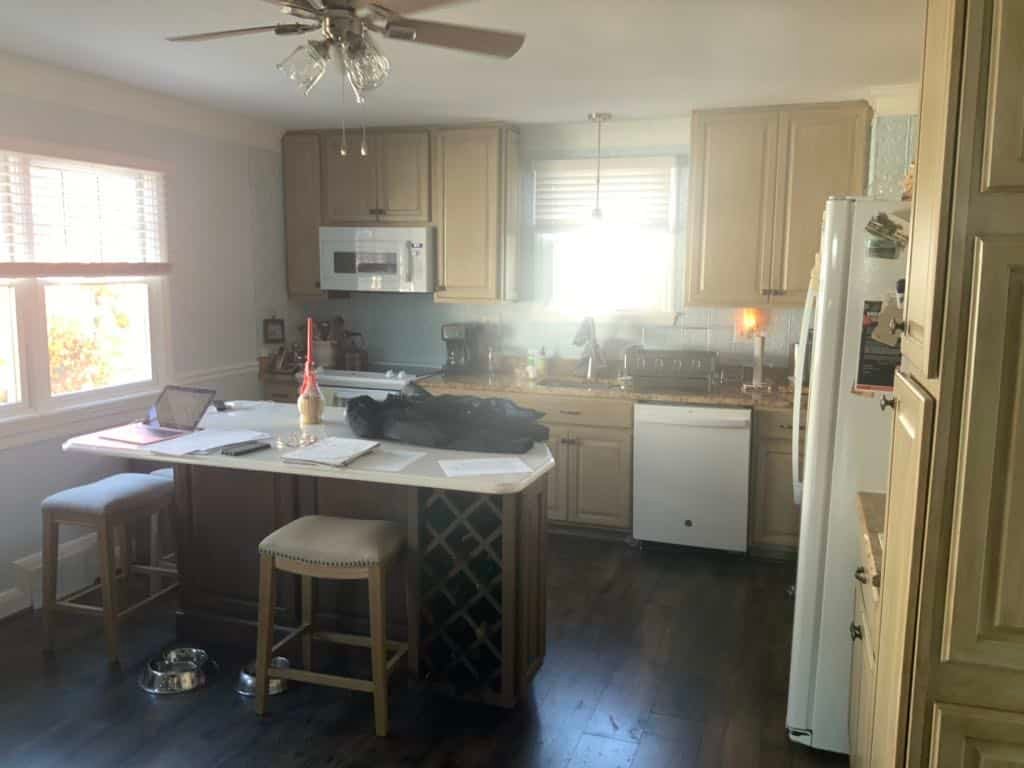
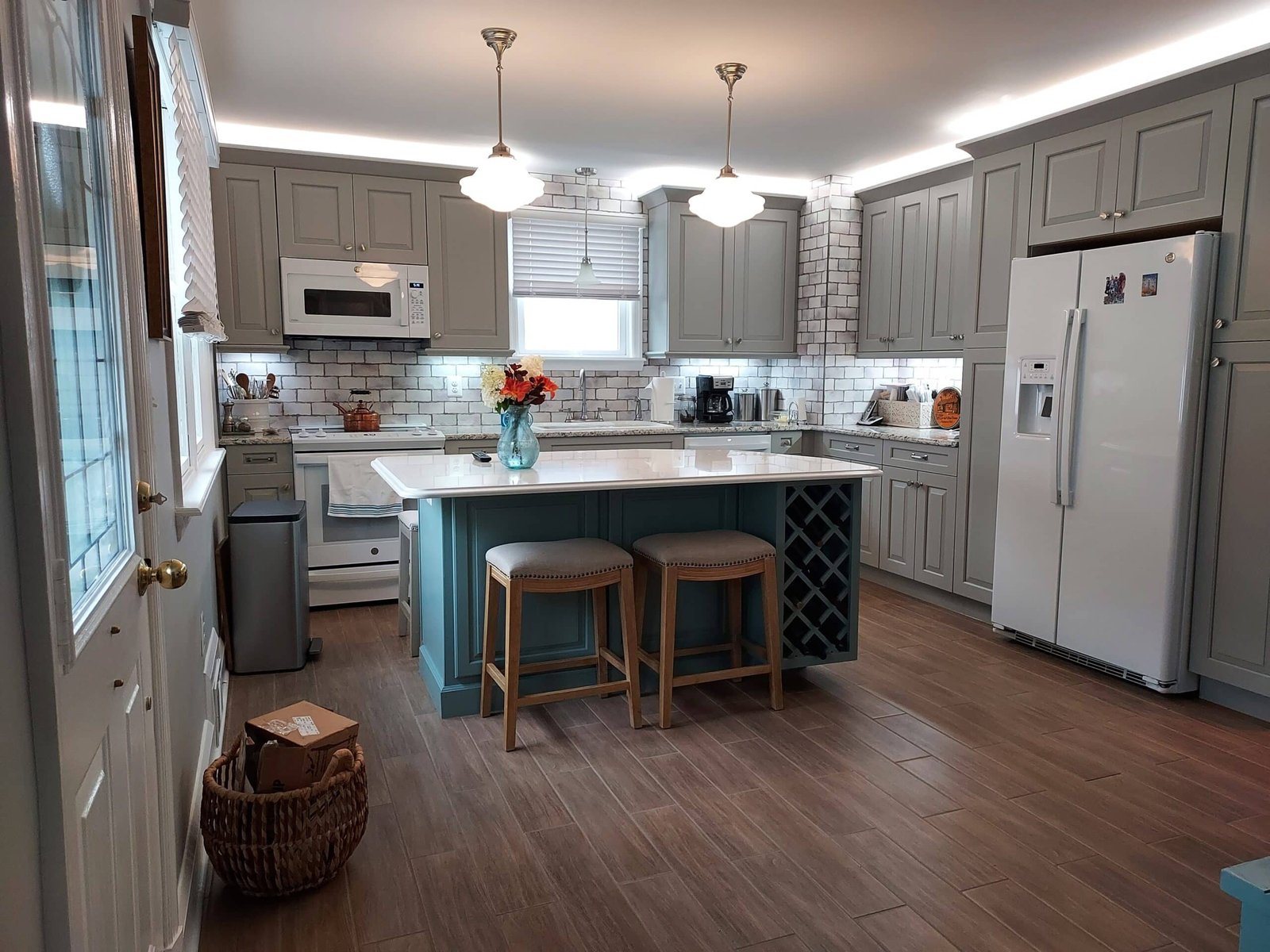
Baltimore homeowners in Canton, Hampden, and Federal Hill often work with 1920s-1950s kitchens that lack storage and counter space. We’ve renovated hundreds of these kitchens, and the transformation always surprises people. Updated layouts improve workflow and add resale value without the cost of an addition.
Baltimore rowhomes often have galley or L-shaped kitchens where smart cabinetry and layout strategies double usable storage. Here’s what we’ve learned works best: cabinets that reach the ceiling eliminate that dusty gap where nothing useful happens. Corner solutions like lazy Susans or pull-out shelves turn dead space into your most-used storage.
One client in Hampden told us she finally stopped stacking pots inside each other because she actually had room for everything.
You get better function in the same footprint, which matters when you’re working with 80 square feet. If you’re considering removing walls to create more space, explore our open concept kitchen remodeling in Baltimore, though we find most rowhouse owners prefer keeping the galley layout once they see how efficient it becomes with the right design.
First-time remodelers in Baltimore need clear budget categories before meeting contractors. Breaking costs into cabinets, counters, labor, and permits prevents surprise overages mid-project.
Here’s the honest breakdown: cabinets will be your biggest expense, then countertops, then installation labor. Baltimore requires city permits for plumbing and electrical work, which add 1-2 weeks and $300-500 to your budget.
Our estimates separate materials from labor and include permit fees upfront. No hidden charges. You can adjust choices to fit your number. We’ve had clients swap quartz for granite to save $1,200, or choose cabinet refacing instead of replacement to cut costs nearly in half.
Baltimore rowhome kitchens have unique plumbing and gas line configurations that affect costs. We identify these factors during your consultation so your budget reflects reality from day one.Ready to get a clear budget breakdown? Request your estimate today.
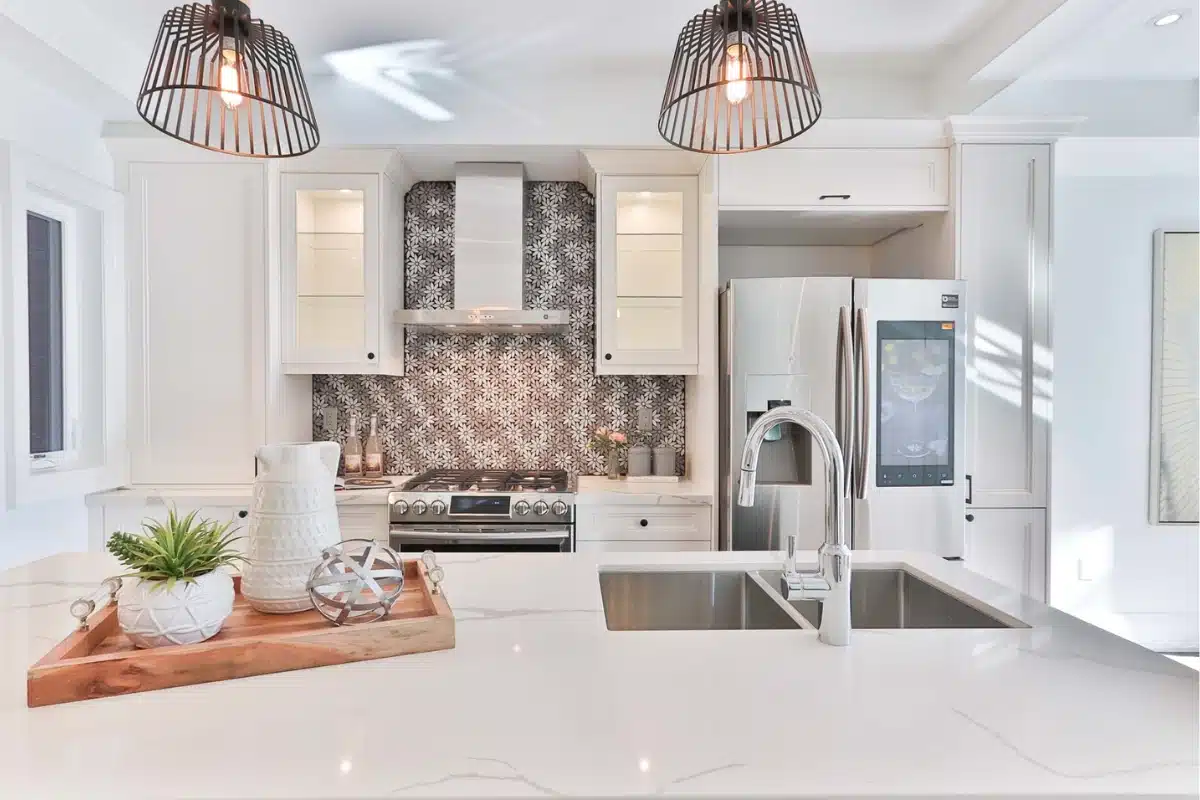
Cabinets and countertops represent 60-70% of your remodel costs. Knowing this helps you prioritize upgrades where they matter most.
Baltimore rowhomes with plaster walls may need extra framing work when hanging new upper cabinets. Plaster doesn’t hold weight like drywall, so we add blocking behind the walls. We inspect walls during your consultation and flag any prep work upfront.
Refacing saves money if your boxes are solid. We check for water damage and test hinges. If the bones are good, refacing gives you a fresh look for thousands less.
Full replacement gives you new layouts and better storage – deeper drawers, roll-out shelves, soft-close hinges. We help you decide based on what frustrates you in your current kitchen, not just showroom aesthetics.
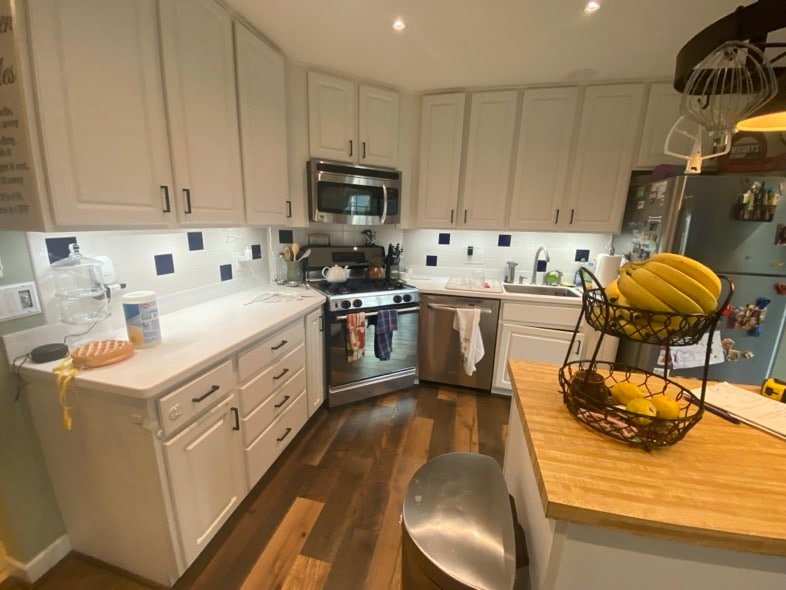
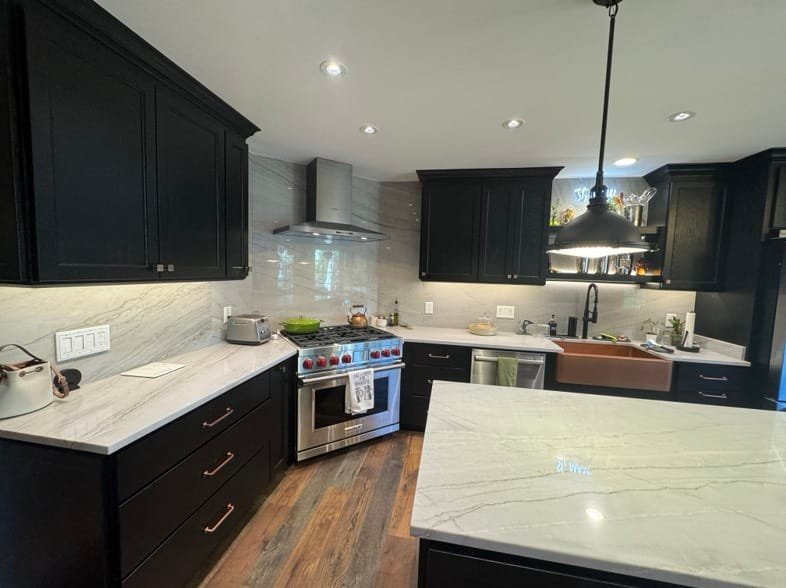
A 10×10 layout includes 12 cabinet boxes, 25 linear feet of counter, a sink, and space for standard appliances. This is the industry standard measurement for cost estimates.
Baltimore rowhouse kitchens often run 8-12 feet wide, making galley or single-wall layouts most common. Galley layouts win for efficiency – you can reach everything without taking more than two steps. Single-wall layouts work when you need space for a small table opposite the cabinets.
We measure your space during the consultation and show you cabinet configurations that make sense for how you cook. Most people want more drawers than they think. Drawers beat lower cabinets because you can see everything without kneeling. If your budget allows, we recommend drawers in lower cabinets and reserve shelving for uppers.
Timing your project right makes a bigger difference than most people realize. Late fall and winter offer faster permitting and more flexible scheduling than spring and summer. Everyone wants their kitchen done by Memorial Day, which means March and April are our busiest months.
If you’re willing to remodel between October and February, you’ll get better attention from our crews and faster permit turnaround from the city. Baltimore’s humid summers can slow paint and finish work – cabinet paint needs lower humidity to cure properly. Fall and winter keep crews on schedule.
We pull permits faster in cooler months because the city isn’t backlogged with deck and addition requests. Our installers can focus on your project instead of juggling three jobs in one week. Plan ahead and have your new kitchen ready before spring.
Ready to schedule your off-season remodel? Contact us for an estimate.
In-home meeting (up to 2 hours) to understand project vision, discuss feasibility, style, materials, and ballpark budget
Detailed design work, CAD drawings, site analysis, structural evaluation, mechanical/electrical assessment, and preliminary designs
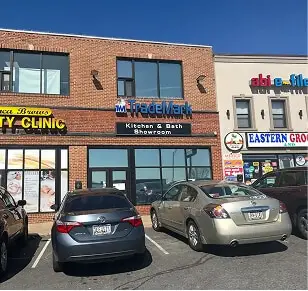
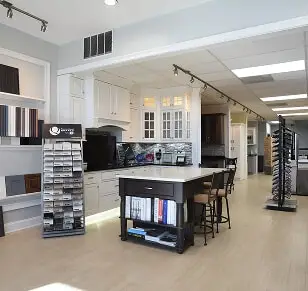
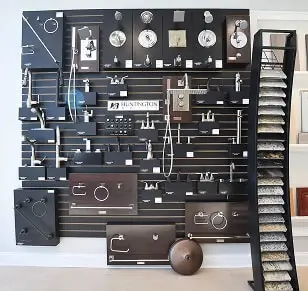
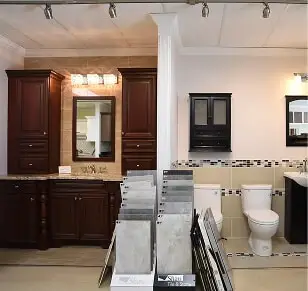
Clients visit their on-site showroom where the design team helps select cabinets, countertops, appliances, flooring, fixtures, lighting, and tile within budget parameters
Scope and budget finalized, Construction Agreement created, target dates set, permits filed
Follows detailed written building processes with step-by-step procedures
Owner Vasilios personally conducts a detailed walk-through to ensure satisfaction