

REQUEST YOUR CONSULTATION NOW






Tile flooring in Baltimore kitchens and bathrooms handles humidity, heavy foot traffic, and everyday wear better than almost any other material. Whether you’re updating a Federal Hill rowhome, finishing a Canton basement, or tackling a full kitchen remodel, we install ceramic, porcelain, natural stone tile that lasts decades and floor replacements.
Licensed and serving Baltimore for over 25 years, we handle every step, from subfloor prep and layout to adhesive application, cutting, and grout sealing. Schedule a site visit so we can measure your space, walk through tile options, and give you an accurate quote. We work with homeowners throughout Baltimore City and County to create durable, beautiful floors that stand up to real life.
A flat, stable subfloor is the foundation of tile that lasts. Without proper prep, tiles crack under foot traffic, grout lines split, and your investment fails within a few years. Older Baltimore homes often have unlevel wood subfloors that shift and settle over time.
We add plywood reinforcement or cement backer board to create a solid foundation. In older rowhomes, wood subfloors shift with age and seasonal temperature swings, so we check for loose boards, secure them, and replace any soft or damaged sections before laying backer material. In bathrooms and kitchens, we use cement board to resist moisture from sinks, showers, and appliances.
For concrete slabs, we apply self-leveling compound to smooth out dips and high spots. We test the surface with a long level to confirm flatness before moving forward. Proper prep adds a day to your project timeline but protects your floors for decades.
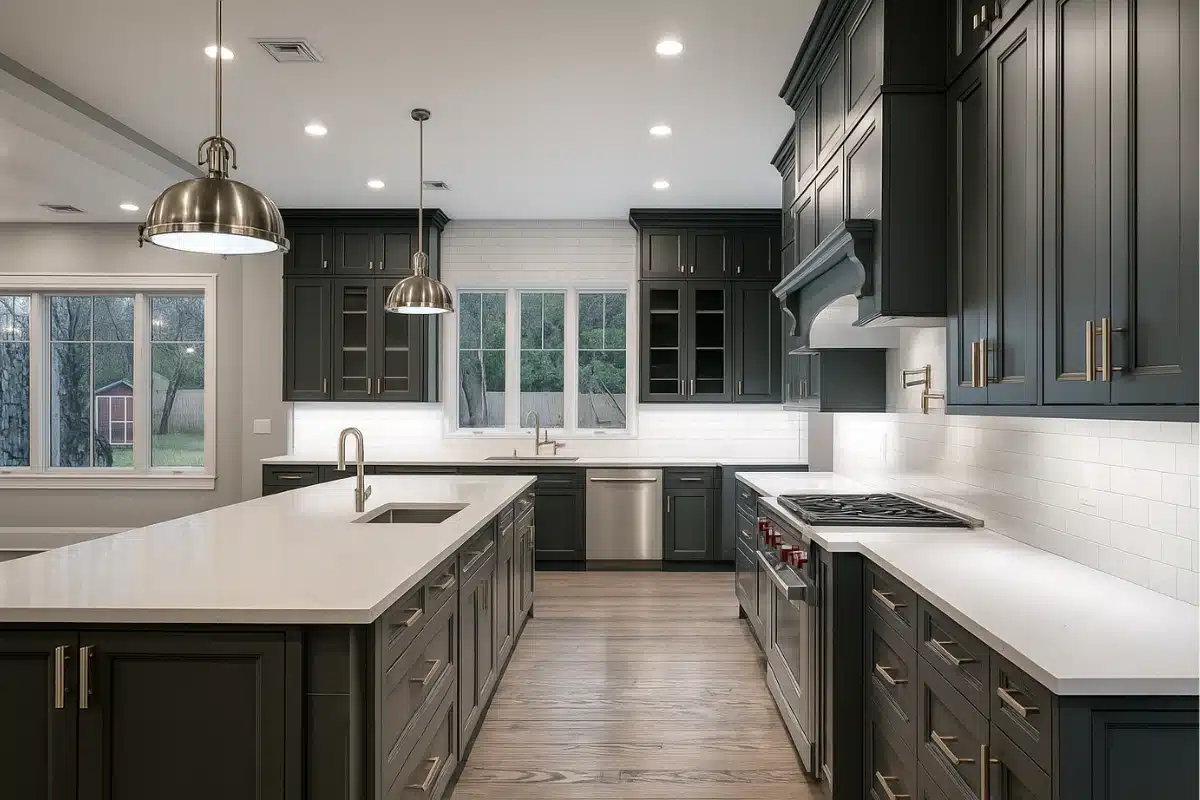
If you’re planning a Baltimore kitchen remodeling project, we coordinate tile installation with cabinet and countertop work so everything stays on schedule.
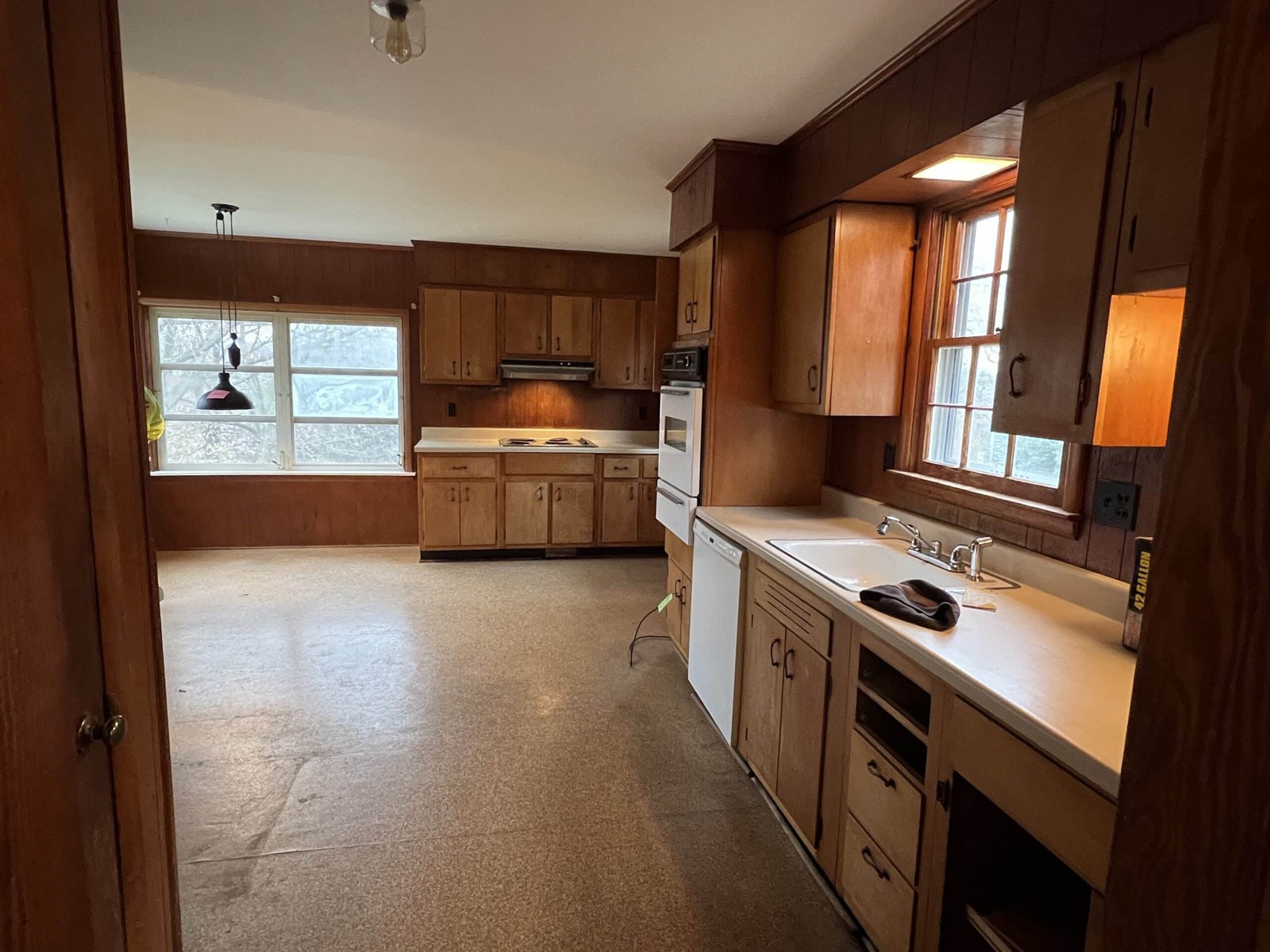
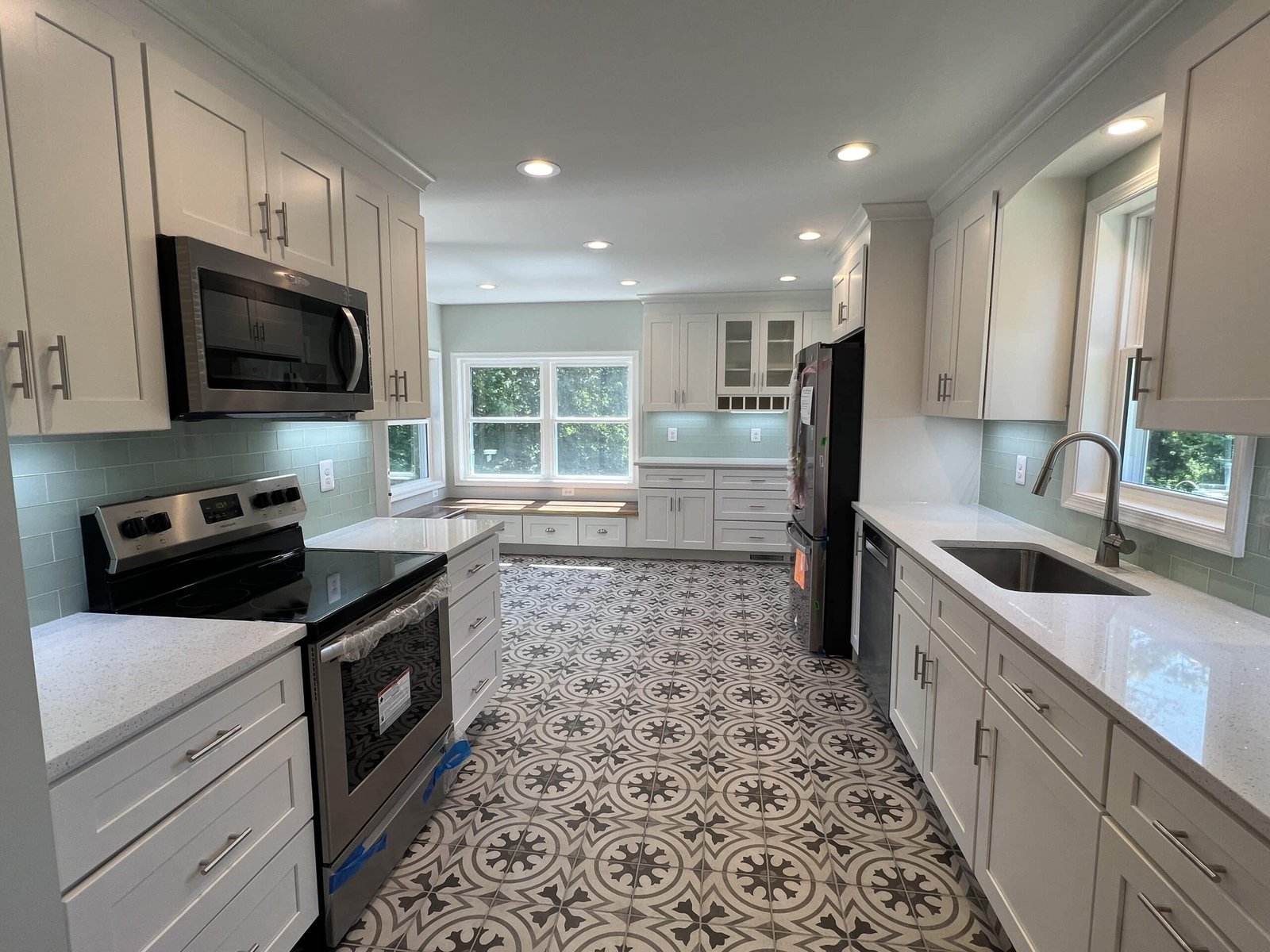
Before we mix any adhesive, we plan your tile layout to show exactly where cuts will land and how the pattern centers in your space. This planning step prevents narrow slivers along walls, reduces wasted material, and ensures the design looks intentional from every angle. Baltimore rowhome kitchens, especially narrow galley layouts in Fells Point and Canton, require careful planning to avoid thin tile slivers that break easily.
We start at the room’s center and work outward to balance the layout on all sides. Diagonal or offset patterns make narrow rowhome kitchens feel wider by stretching sight lines. You approve the layout before we commit to adhesive.
This planning phase takes an extra hour but eliminates costly mistakes and material waste. If you’re choosing between tile patterns, we bring samples and show you layout options in your actual space during the consultation.
Choosing the right tile adhesive matters as much as the tile itself. The wrong mortar creates hollow spots under your floor that crack under weight, especially in high-traffic kitchens and bathrooms. We match thinset mortar to your tile type and room conditions to ensure a solid bond that lasts.
Porcelain and ceramic tile require thinset mortar applied with the correct trowel size, while larger tiles need deeper adhesive coverage to prevent gaps that weaken the bond. Baltimore’s humid climate, especially in basements and bathrooms, requires waterproof thinset mortar. Natural stone needs non-staining white thinset to avoid discoloration.
We comb mortar in one direction to remove air pockets and press each tile firmly into place with a slight twist. We follow industry standards for tile installation and test bond strength by lifting sample tiles before the mortar sets. Any hollow spots get scraped clean and reset with fresh adhesive.
Grout protects tile joints from water damage, but only if it’s properly sealed. Unsealed grout absorbs moisture, grows mold, and stains from spills and cleaning products, especially in Baltimore’s humid climate. We fill joints with grout that matches your design, then seal it to lock out moisture and keep your floors looking fresh for years.
You choose from sanded grout for wider joints (over ⅛ inch) or unsanded for tight spacing. We mix grout to a thick paste, pack it into joints with a rubber float, and shape each line with a damp sponge. We apply penetrating sealer after grouting to lock out moisture and prevent mold before it starts.
Dark grout hides dirt in high-traffic kitchens where spills happen daily. Light grout brightens small bathrooms but requires more frequent cleaning. We recommend resealing grout every one to two years depending on traffic and moisture exposure.
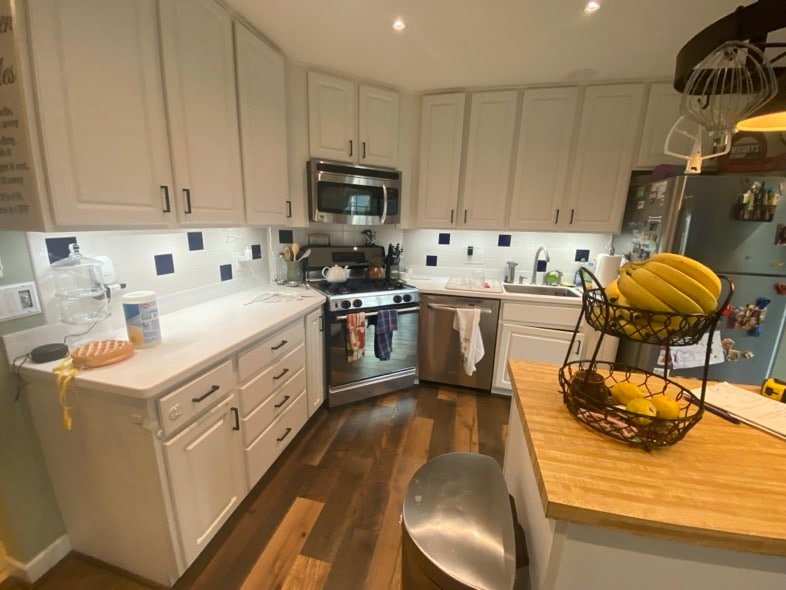
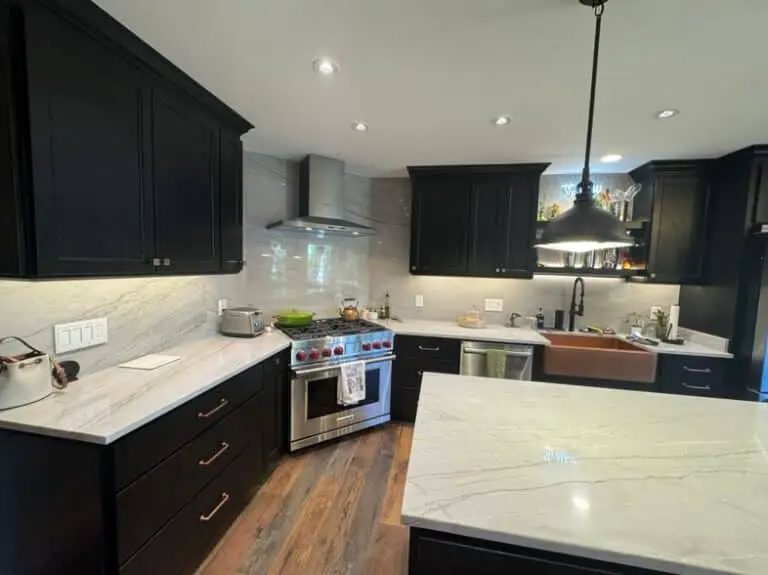
Tile layout can make a small kitchen feel significantly larger. Diagonal or offset patterns draw the eye across the room, stretch sight lines, and add visual interest without overwhelming the space. Baltimore rowhome kitchens average 80 to 120 square feet with narrow footprints that feel cramped with the wrong tile pattern.
Diagonal tile breaks up the boxy shape and creates depth by running at an angle that makes the floor appear longer. Offset or brick-lay patterns add movement without busy repetition. In Federal Hill and Mount Vernon rowhomes, we align patterns with natural light from windows to enhance the effect.
During your consultation, we show you tile samples in different orientations and bring photos of completed projects in similar Baltimore homes so you can visualize the final result in your space.
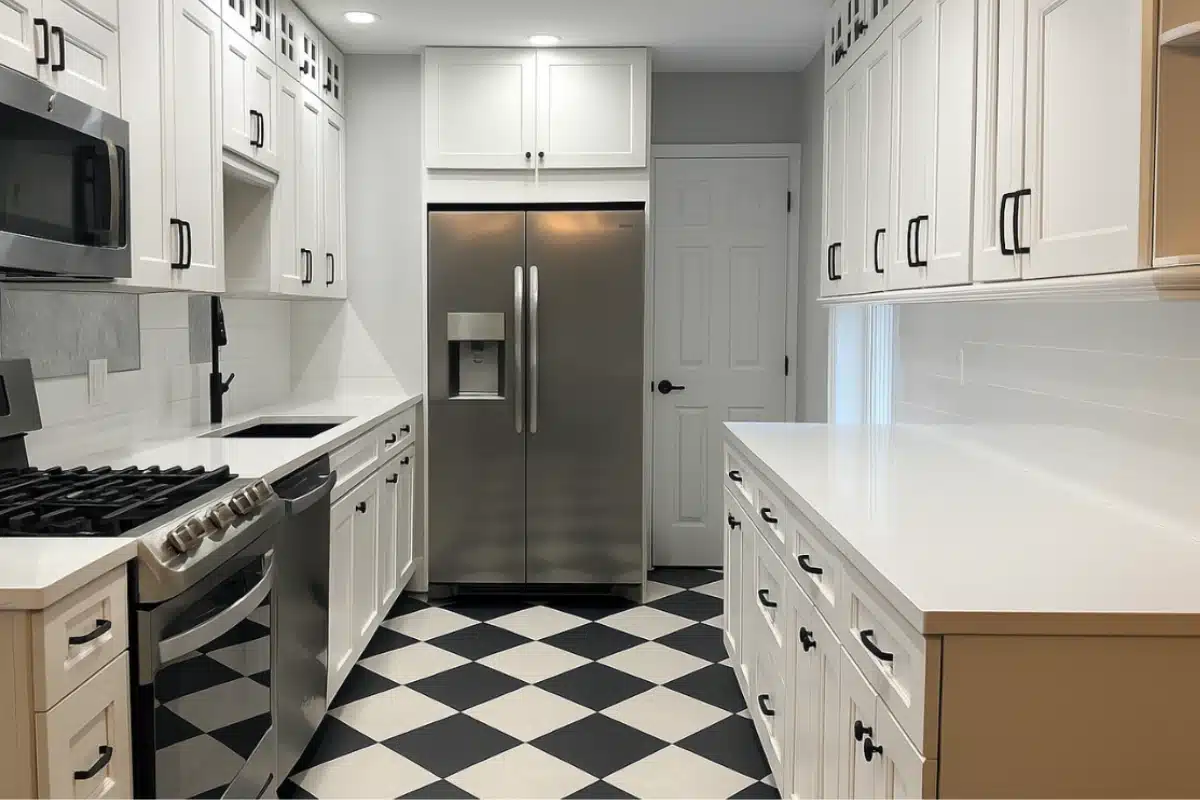
Proper curing time protects your tile investment and prevents costly repairs. After we set the tile, the floor needs 24 hours before light foot traffic in socks or soft shoes. Wait 72 hours before moving furniture or appliances back into place, as heavy items placed too soon can shift tiles out of position.
Baltimore’s seasonal weather affects cure times – cold winter temperatures below 50 degrees slow mortar curing significantly, so we may extend wait times to prevent bond failure. We monitor conditions throughout your project and give you an exact timeline based on weather and room temperature.
In-home meeting (up to 2 hours) to understand project vision, discuss feasibility, style, materials, and ballpark budget
Detailed design work, CAD drawings, site analysis, structural evaluation, mechanical/electrical assessment, and preliminary designs
Clients visit their on-site showroom where the design team helps select cabinets, countertops, appliances, flooring, fixtures, lighting, and tile within budget parameters
Scope and budget finalized, Construction Agreement created, target dates set, permits filed
Follows detailed written building processes with step-by-step procedures
Owner Vasilios personally conducts a detailed walk-through to ensure satisfaction