


REQUEST YOUR CONSULTATION NOW
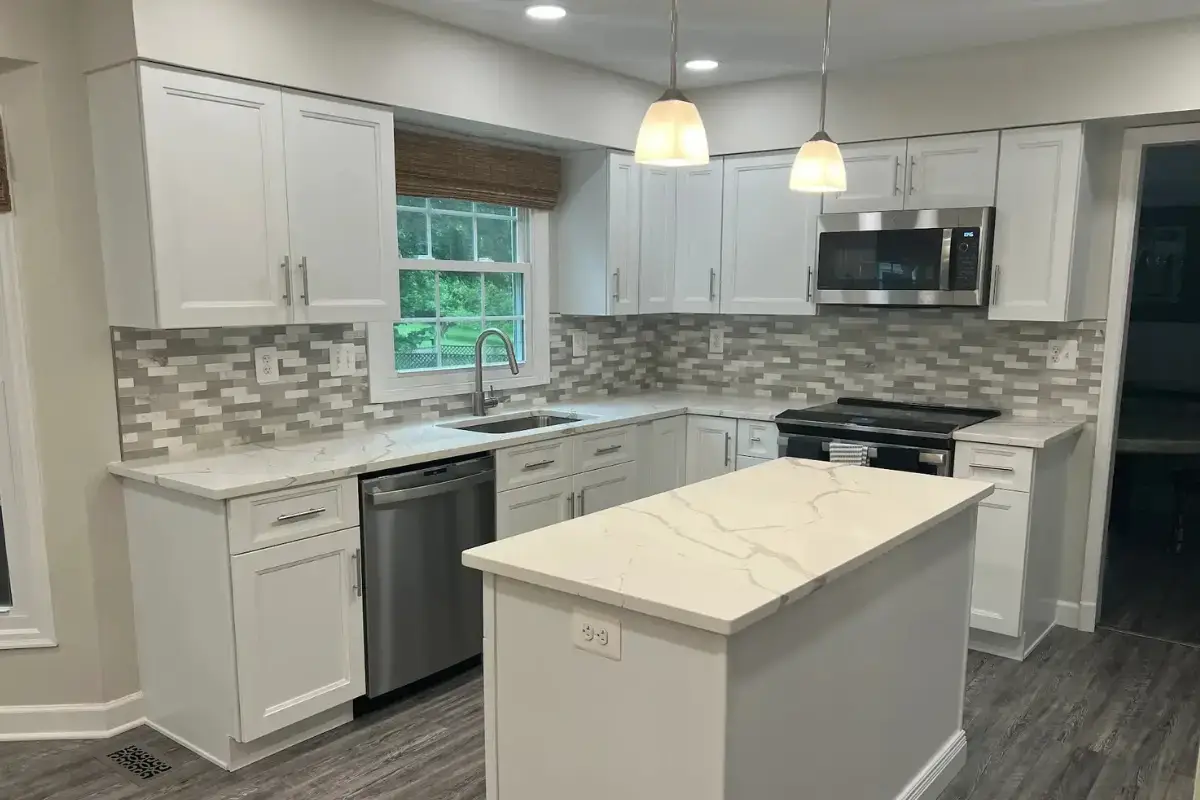
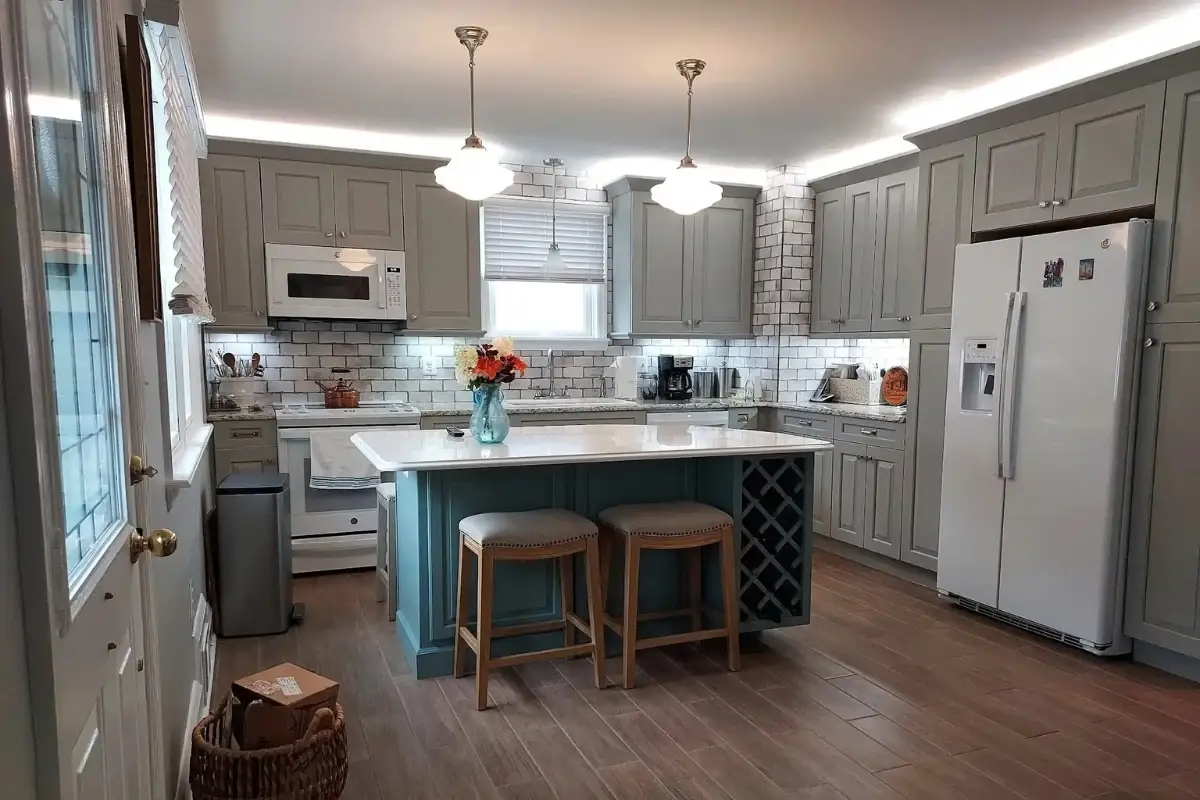
Baltimore Highlands sits in southeast Baltimore near the Dundalk border, between Broening Highway and I-895. The neighborhood is a mix of rowhouses and single-family homes built in the 1940s through 1960s. Post-war kitchens here are functional but outdated, with small footprints, limited outlets, and aging fixtures. Trademark Construction remodels these kitchens with modern materials and layouts sized for the homes they sit in. Learn more about our kitchen remodeling services.
Homes along Highland Avenue and Marne Avenue share similar post-war construction. Kitchens are typically at the rear of the house with a back door, one window, and a compact L-shaped or galley layout. Original electrical systems run 60 to 100 amps with few dedicated circuits for kitchen appliances. We upgrade panels, add dedicated circuits for each major appliance, replace galvanized plumbing, and install cabinets that maximize storage in these tight floor plans.

Baltimore Highlands is a residential neighborhood in southeast Baltimore near the city-county line. Many families have owned their homes here for decades, and the area has a strong sense of community. The housing stock is mostly brick rowhouses and small single-family homes built during the post-war construction boom of the 1940s through 1960s. Lots are modest in size with rear alley access on most blocks.
Baltimore Highlands Park provides green space and recreation for the neighborhood. Holabird Avenue runs along the southern edge near industrial and commercial properties. Broening Highway connects residents to I-895 and the Port of Baltimore area. The neighborhood is close to Dundalk shopping areas and has easy highway access for commuters heading downtown or toward the beltway.
Post-war construction in Baltimore Highlands means homes share a set of common kitchen problems. Electrical panels are undersized for today’s appliances. Plumbing runs are galvanized steel that corrodes and restricts water flow after 60-plus years. Kitchen layouts were built for single-task cooking, not the multi-use family spaces homeowners want now. We address each of these issues during every Baltimore Highlands kitchen remodel. The repeated floor plans across the neighborhood let us plan materials and labor with accuracy before the project starts.

Baltimore Highlands post-war kitchens use L-shaped layouts with a rear door that eats into counter space. We redesign the L to maximize the corner, relocate the back door swing where possible, and add a tall pantry cabinet along the dead wall to reclaim storage lost to the original floor plan.
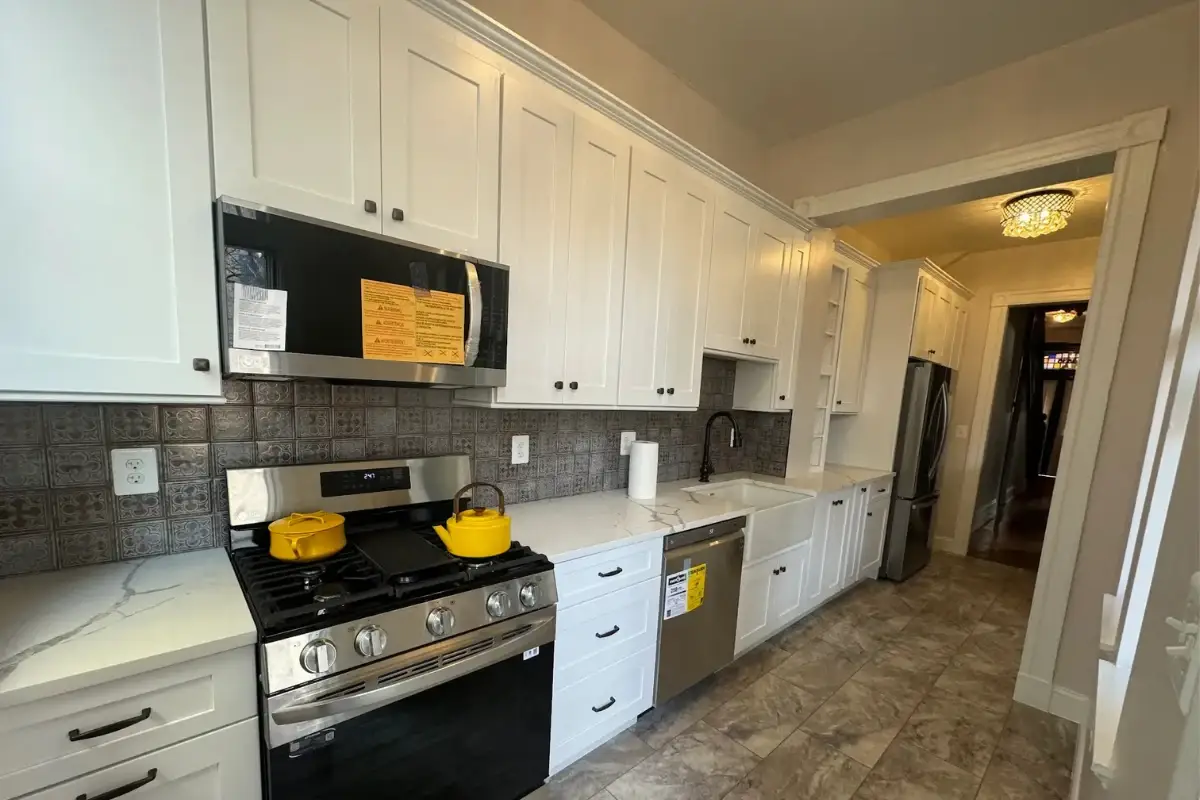
Post-war cabinet boxes in Baltimore Highlands were framed with solid wood and fastened to plaster-over-brick walls. Refacing replaces doors and drawer fronts while preserving these well-anchored frames. We also add soft-close hinges and full-extension drawer slides that the 1950s originals never had.

L-shaped counter runs in Baltimore Highlands kitchens create an inside corner that needs a seamless joint. We template both legs on-site and fabricate a tight miter that resists moisture at the seam. Quartz and solid surface work best for these configurations because they allow invisible seaming.
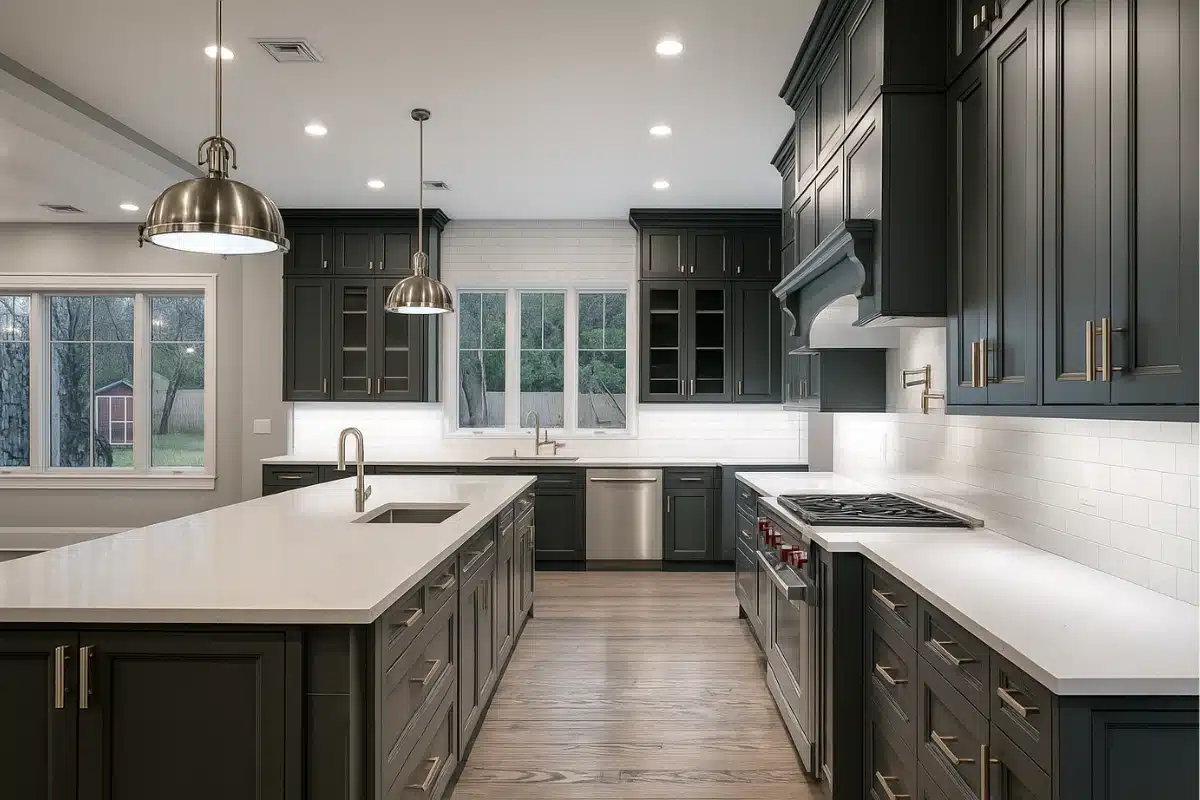
Post-war Baltimore Highlands homes often have 1950s or 1960s vinyl tile installed directly over the original subfloor with no underlayment. We strip it, test for asbestos, and add a proper underlayment layer before installing new flooring. This corrects the spongy feel homeowners notice after decades of bare subfloor wear.
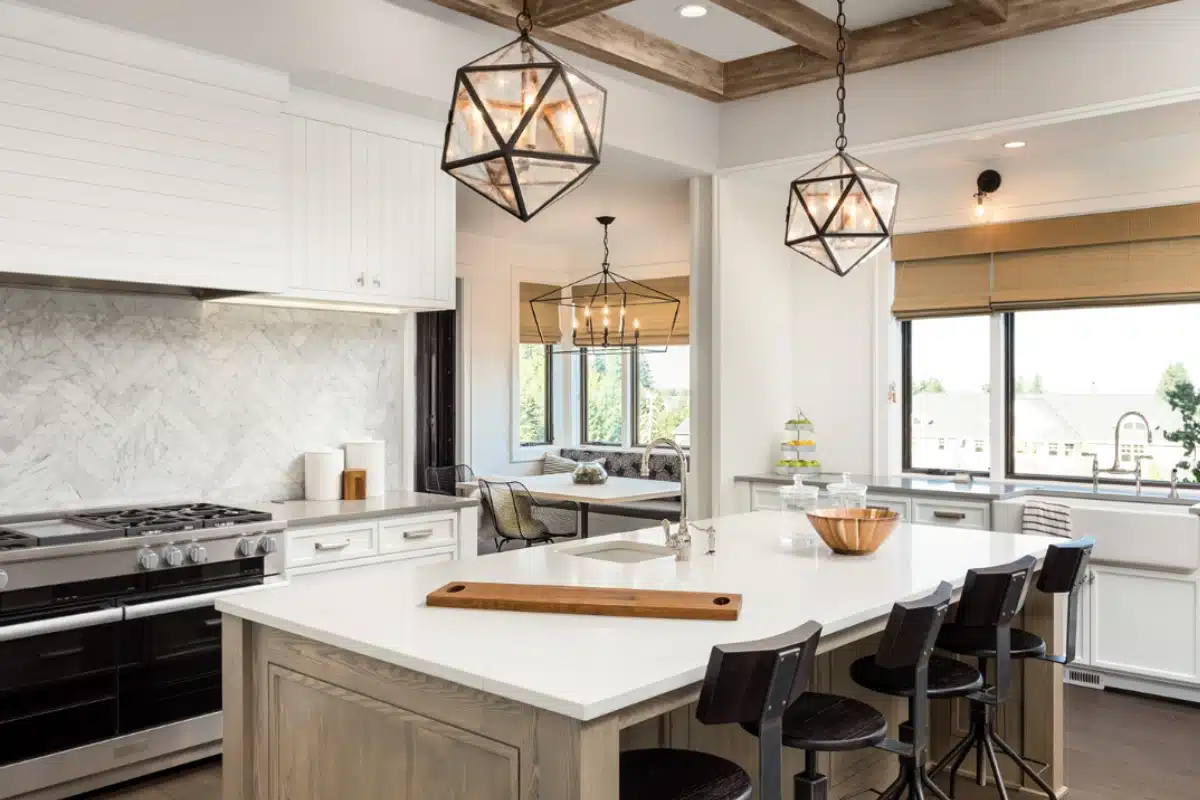
Many Baltimore Highlands kitchens sit in the interior of the floor plan with no exterior wall for natural light. We compensate with high-output recessed cans on a dimmer circuit, under-cabinet task LEDs, and a light color temperature that mimics daylight. New circuits run from the upgraded panel to handle the added load.
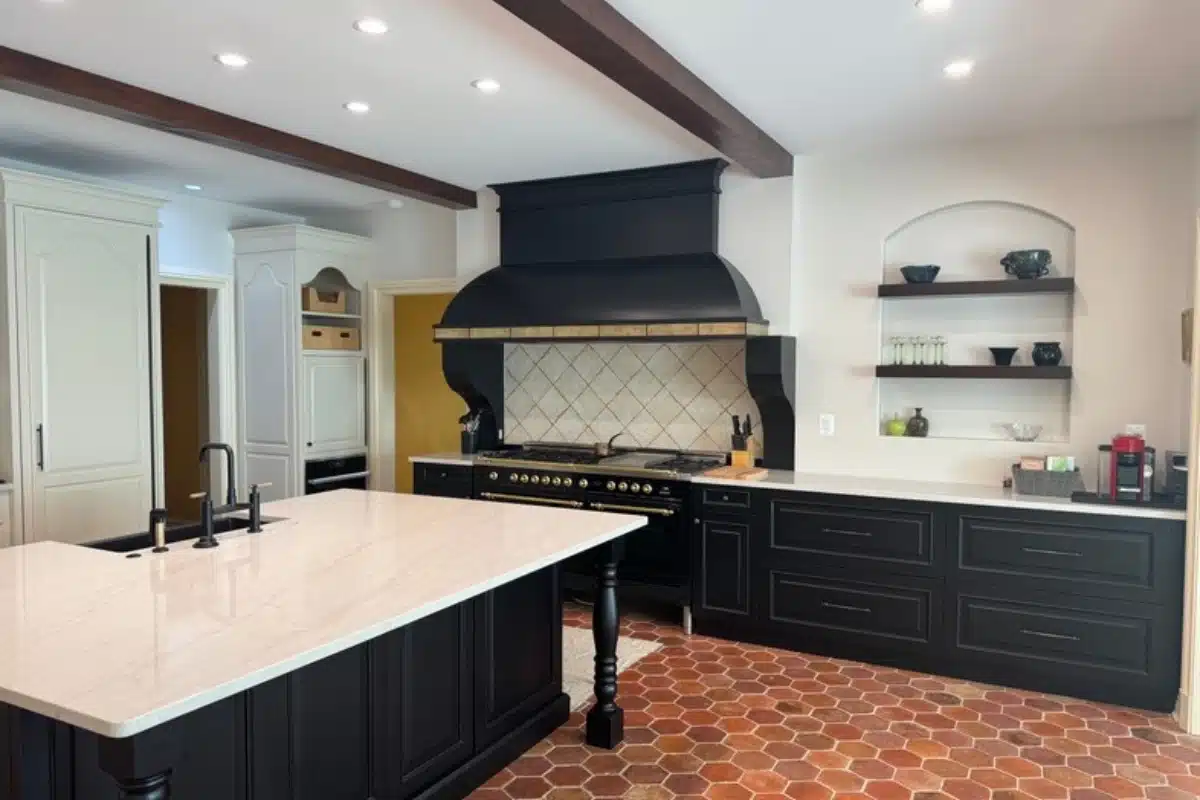
Post-war Baltimore Highlands homes have a dining room wall that also carries HVAC ductwork and sometimes a plumbing stack. Opening this wall means rerouting ducts through the ceiling and relocating pipes before the beam goes in. We coordinate all trades in-house so the open floor plan does not create hidden mechanical conflicts.
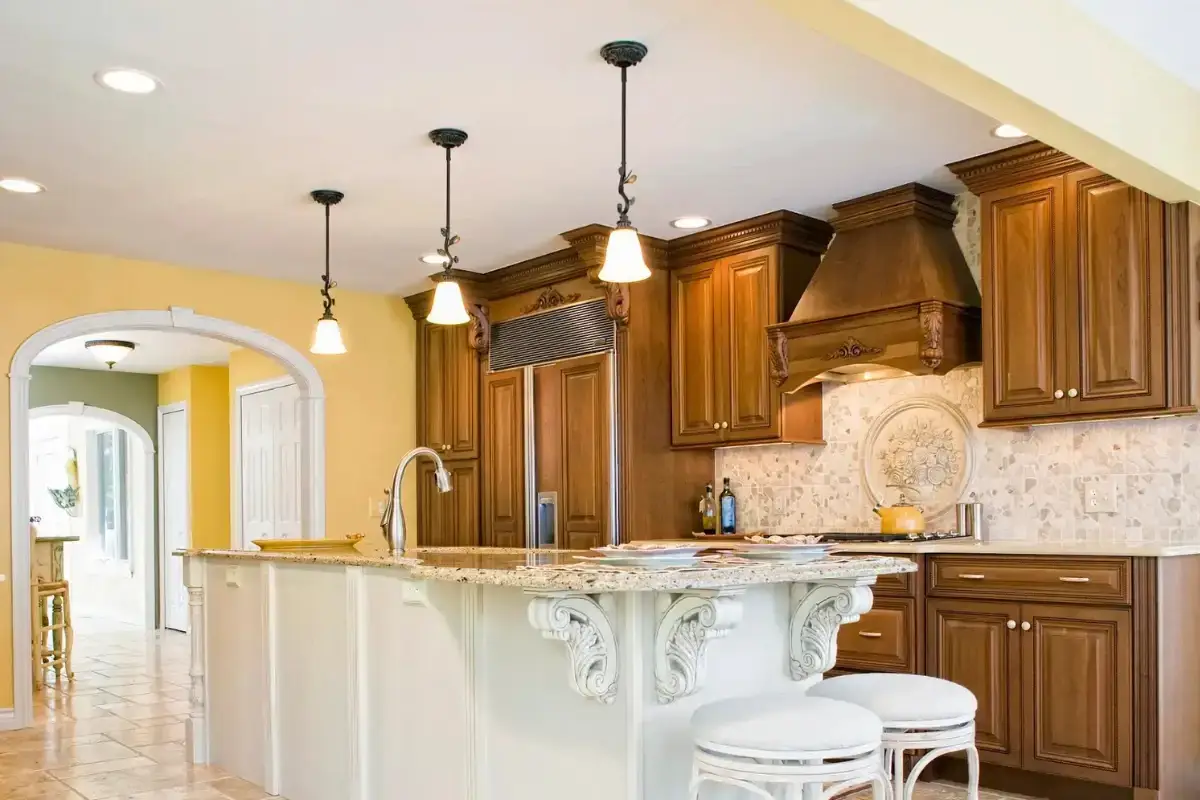

We remodel kitchens on every block in Baltimore Highlands. Our crew works regularly along Highland Avenue, Marne Avenue, and the residential streets between Broening Highway and Holabird Avenue. We also serve homes near Baltimore Highlands Park and along the blocks heading toward the Dundalk border. Material deliveries arrive via Broening Highway or Holabird Avenue for easy truck access. If you live near Baltimore Highlands Park or the Holabird Avenue corridor, you are in our primary service zone.
Call us or book online to schedule your free in-home consultation. We measure your kitchen, discuss layout options for your specific floor plan, and provide a written estimate with a detailed project timeline.
Service hours: Mon–Fri 8am–5pm, Sat by appointment