

REQUEST YOUR CONSULTATION NOW






Backsplash installation protects your kitchen walls from water damage, grease, and daily wear while adding style to your space. Whether you’re updating a historic Federal Hill rowhome or finishing a modern Canton kitchen, a quality backsplash makes cleaning easier and adds lasting value to your home.
We install tile, glass, and stone backsplashes throughout Baltimore, including Canton, Fells Point, Hampden, and Mount Vernon. Most installations finish in one day with complete prep work, adhesive application, and grouting. Our team handles proper wall prep so your backsplash stays secure for 20+ years.
A complete backsplash installation is essential for protecting your walls from water damage and grease, while also providing a polished appearance that enhances your countertops and tile flooring. Whether undertaking a comprehensive kitchen renovation in Hampden or updating a dated backsplash in Mount Vernon, the procedure encompasses three vital steps: surface preparation, adhesive application, and grout sealing.
We begin by preparing the wall surface to establish a robust foundation. In Baltimore rowhomes, plaster walls may require additional preparation or backer board to securely support the tile over time. Subsequently, we apply adhesive in manageable sections to guarantee effective bonding throughout varying humidity levels. Lastly, we seal the grout lines after they have fully cured to prevent moisture infiltration behind the tiles.
Each phase of this process is interdependent, and neglecting or hastening any step may result in loose tiles, water stains, or mold proliferation within a short period. For further technical insights on wall tile installation techniques, please consult Daltile’s professional installation guide.
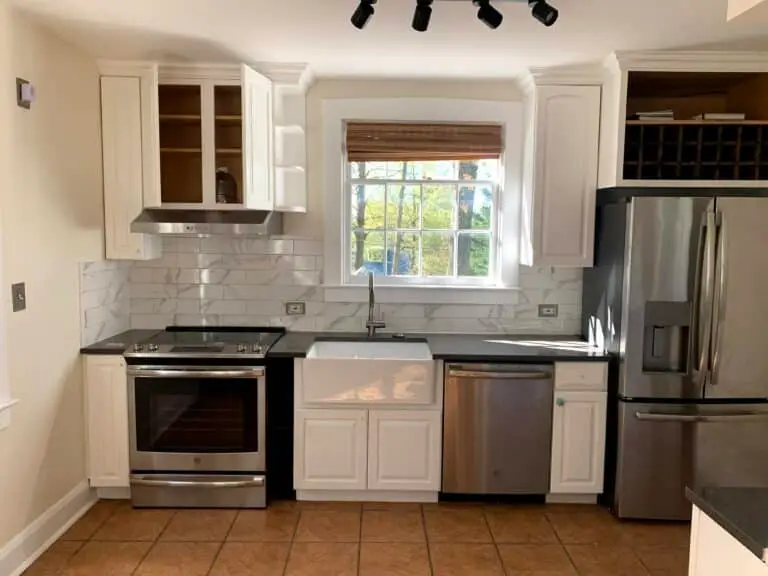
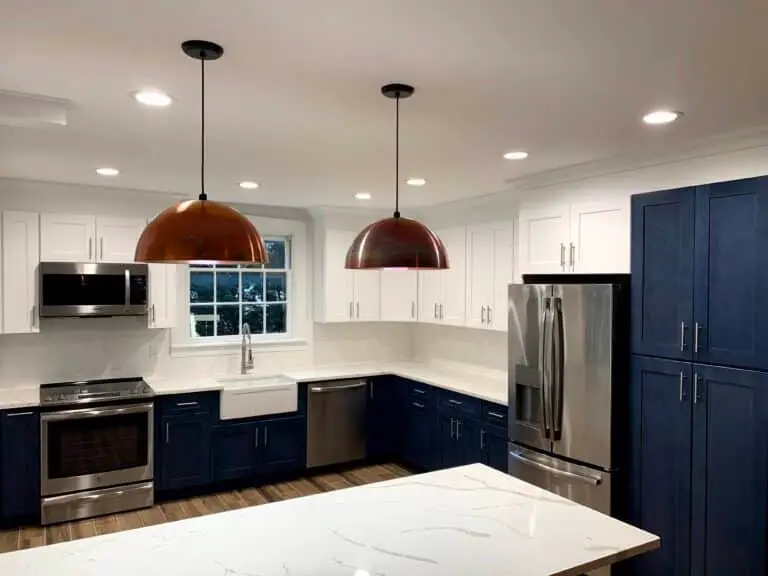
Proper wall preparation is essential to prevent tiles from cracking or detaching due to shifts in the walls or moisture absorption. This consideration is particularly vital in Baltimore, where historic rowhomes in Fells Point and contemporary constructions in Canton encounter distinct wall challenges.
We thoroughly inspect the wall surface for any damage and remove loose paint prior to commencing any tile installation. Homes built before 1950 often feature plaster walls that respond differently than modern drywall as the house settles. The high summer humidity in proximity to the Chesapeake Bay can cause drywall to expand, which is why we utilize cement backer boards behind stove and sink areas. Neglecting this step can result in tile failure within two years.
Before initiating your backsplash installation, we assess for soft spots, cracks, water damage, and peeling paint. Should we encounter any issues, we address them beforehand. Cement board effectively resolves most moisture-related concerns, as it is resistant to swelling, rot, and mold even when subjected to routine steam and splashes.
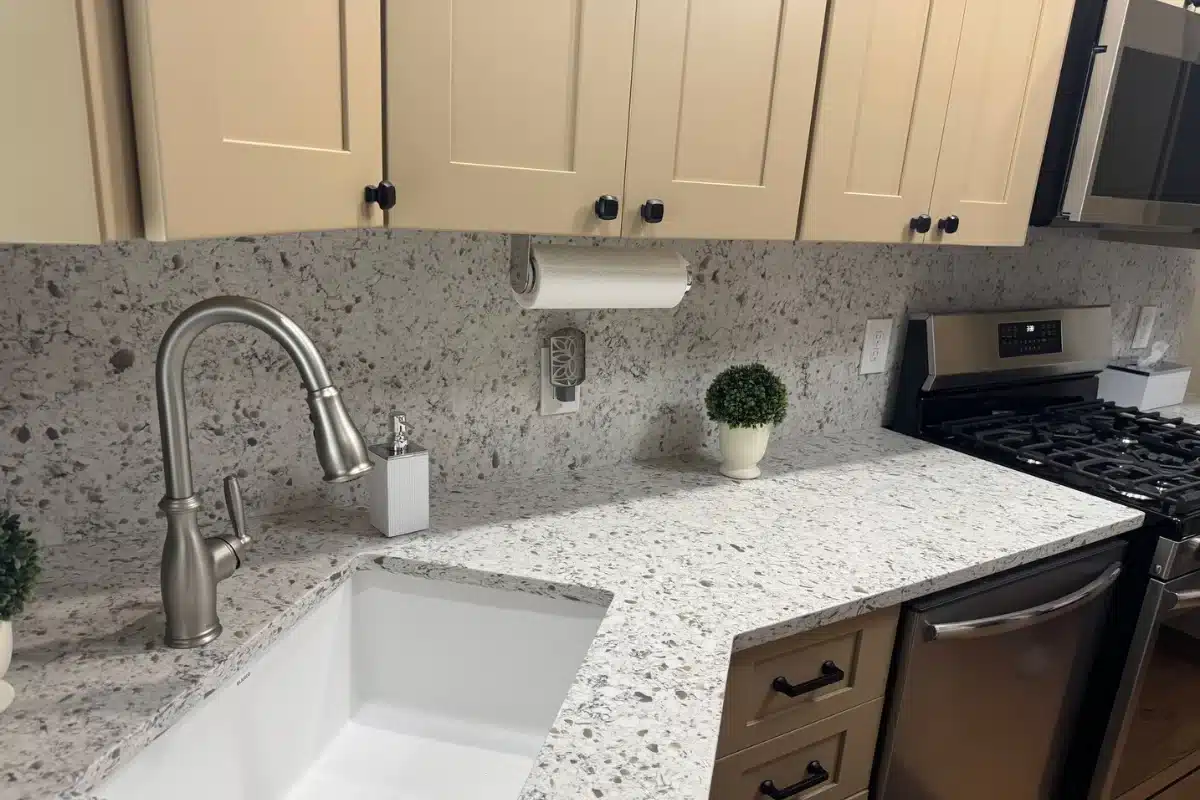
Once the wall is properly prepped, choosing the right adhesive ensures your backsplash stays bonded through Baltimore’s humid summers and daily cooking heat.
We use a thin-set for most Baltimore kitchens because it handles moisture better than mastic. Baltimore sits near the Chesapeake Bay, where summer humidity often reaches 70 to 80 percent. This moisture gets into walls and weakens mastic bonds over time. Mastic also dries faster and costs less, but it can turn yellow behind white subway tiles and loses grip when exposed to heat from stoves or steam from sinks.
Thin-set contains Portland cement and actually gets stronger when exposed to moisture. It takes longer to cure than mastic, but the wait pays off with a backsplash that stays put for decades. For glass tiles, we always use white thin-set so the adhesive doesn’t show through and change the tile color.
Installing your backsplash after countertops are set creates a tight fit at the seam and prevents tile damage during counter work. Many Baltimore contractors schedule backsplash installation one week after granite or quartz countertops cure, which allows seams to align perfectly.
Countertop installers need clear wall access to position heavy slabs correctly. If tile is already up, they risk chipping or cracking it. Once countertops are secure, we measure the exact gap between the counter surface and upper cabinets to determine tile layout. We start the first row right against the countertop and work our way up.
The bottom edge gets caulked rather than grouted. Caulk stays flexible and prevents water from seeping into the seam when countertops expand and contract with temperature changes.
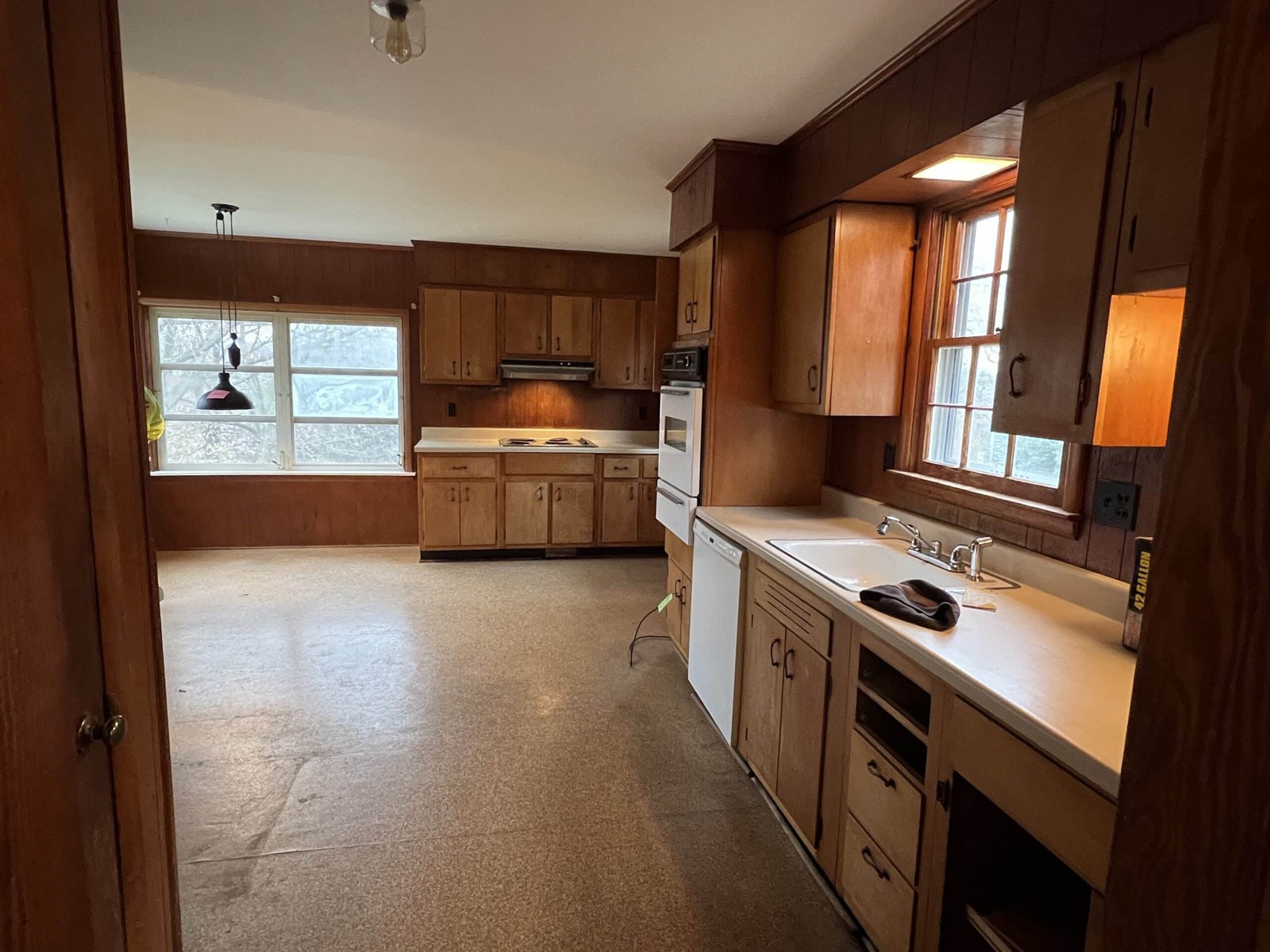
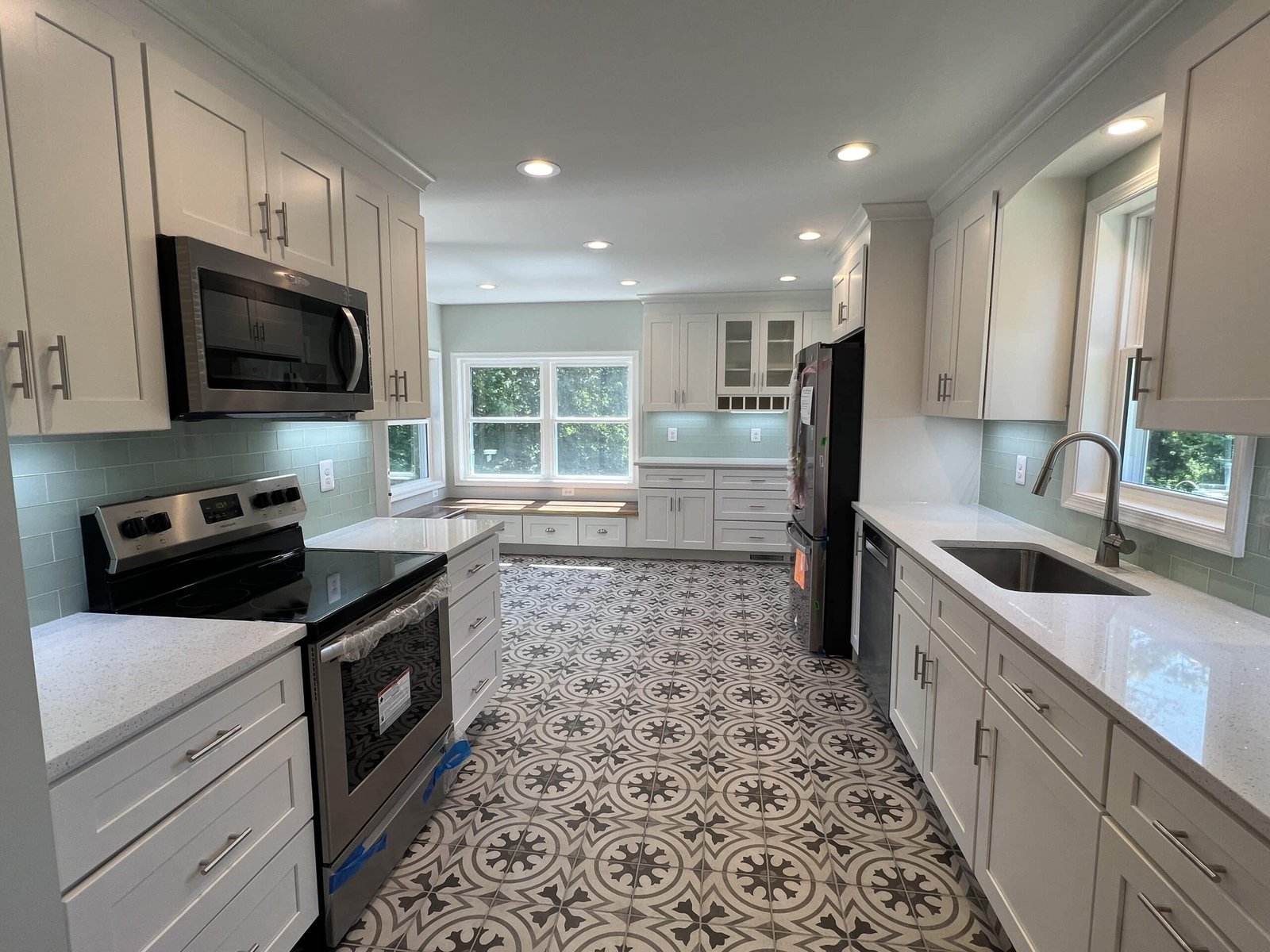
Narrow galley kitchens in Federal Hill and Hampden rowhomes can feel more spacious with the right tile layout. Vertical subway tile makes low ceilings look higher without costly structural changes. Horizontal layouts stretch narrow walls and create a modern look. Diagonal patterns add visual interest but require more cuts and increase material costs by 15 to 20 percent.
We plan your layout before mixing any adhesive. We dry-fit tiles on the wall to see how patterns align with outlets, windows, and cabinet edges. For small kitchens common in Baltimore rowhomes, running tile vertically from counter to cabinet makes the space feel taller and more open. Horizontal layouts work better in kitchens with plenty of wall space, creating a calm, continuous flow.
The majority of installations are typically completed within a single day, allowing you to utilize your kitchen on the same evening. Our process commences in the morning, concluding tile work by early afternoon, followed by grouting before our departure. In certain older Baltimore homes, projects may extend up to 10 hours if plaster repair or backer board installation is necessary.
The timeline for completion is contingent upon the condition of the walls and the complexity of the tile design. Standard subway tiles arranged in a running bond pattern are installed more efficiently than intricate mosaic or herringbone designs. The initial hour involves wall preparation and marking for layout. Tile installation generally requires three to five hours, depending on the extent of cuts required around outlets and windows. The application of grout and subsequent cleanup typically necessitate an additional two hours.
Your kitchen will be ready for use by that evening. It is advisable to refrain from heavy water usage near the backsplash for 24 hours to ensure the grout fully cures.

In-home meeting (up to 2 hours) to understand project vision, discuss feasibility, style, materials, and ballpark budget
Detailed design work, CAD drawings, site analysis, structural evaluation, mechanical/electrical assessment, and preliminary designs
Clients visit their on-site showroom where the design team helps select cabinets, countertops, appliances, flooring, fixtures, lighting, and tile within budget parameters
Scope and budget finalized, Construction Agreement created, target dates set, permits filed
Follows detailed written building processes with step-by-step procedures
Owner Vasilios personally conducts a detailed walk-through to ensure satisfaction